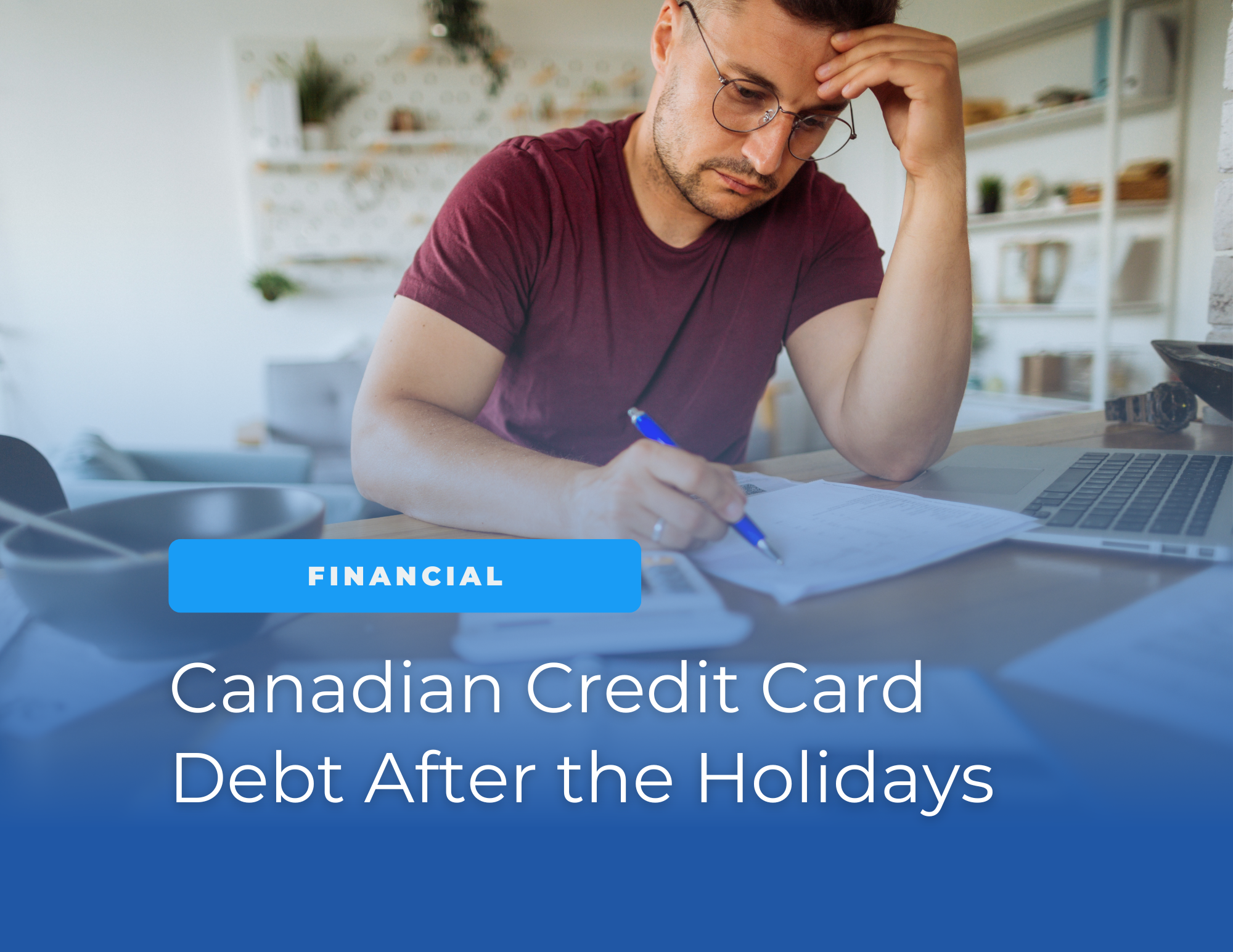
Canadian Credit Card Debt After the Holidays
Credit card debt can feel impossible to escape, especially after the holiday season. This guide explains safe, legal solutions in Ontario and how a Licensed Insolvency Trustee can help you regain financial stability.
Why Balances Spike and What Helps in 2026
The holidays are over, but many Canadians are starting the year with something far less festive: higher credit card balances. If your debt increased over the holidays, you are not alone. In early 2026, post-holiday credit card debt remains a major issue for households already under pressure from higher living costs, elevated interest rates, and tighter monthly budgets.
At Litvack Group, we work with individuals and families across Ontario who want to regain control of their finances. This guide explains why credit card balances tend to rise after the holidays, how interest quietly works against you, and what practical steps can help you move forward in 2026.
Why Credit Card Debt Spikes After the Holidays
Seasonal Spending Adds Up Quickly
The holiday season creates a perfect storm for credit card use. Retailers promote limited-time sales, buy-now-pay-later messaging, and fast online checkout, making it easy to spend more than planned.
Gifts, groceries, travel, fuel, hosting costs, and last-minute expenses often end up on plastic. Individually, these purchases may seem manageable. Together, they can create a balance that feels overwhelming once January statements arrive.
Minimum Payments Create a False Sense of Progress
When balances look intimidating, many people default to making the minimum payment. While this avoids late fees, it does very little to reduce the debt itself.
Minimum payments are designed to keep accounts in good standing, not to help you pay off debt quickly. Over time, this approach keeps balances high and significantly increases the total cost of borrowing.
How Credit Card Interest Keeps Debt Growing
How Interest Accumulates
In 2026, most Canadian credit cards still charge interest rates between 19% and 24%. If you do not pay your balance in full by the due date, interest begins accruing daily.
Interest is added to your balance each month, meaning you are paying interest not only on purchases, but also on previously charged interest. The longer a balance remains unpaid, the harder it becomes to reduce.
Why Minimum Payments Barely Reduce the Balance
Minimum payments are usually calculated as 2% to 3% of your total balance. Most of that payment goes toward interest rather than reducing the principal.
Example: If you owe $5,000 at a 20% interest rate and only make a $150 minimum payment each month, it could take more than 20 years to repay the debt. Over that time, you could pay more than $6,000 in interest alone.
Warning Signs You May Be Stuck in a Credit Card Debt Cycle
Multiple Cards Carrying High Balances
If you have several credit cards close to their limits and are only making minimum payments, this is a common sign of a debt cycle. High interest across multiple cards makes it difficult to pay any one balance down effectively.
Using Credit to Pay Credit
Some people begin using one credit card to pay another or take cash advances to cover bills. While this can feel like short-term relief, it often leads to higher interest rates, new fees, and increased financial stress.
If you are relying on credit to stay afloat, it may be time to explore longer-term solutions.
Practical First Steps to Reduce Credit Card Debt
Stop Adding New Charges
One of the most effective first steps is to stop using credit cards for new purchases. Switching to debit or cash, even temporarily, prevents balances from growing while you work on repayment.
Even small recurring charges can cancel out your payments and make progress feel impossible.
Simple Budget Adjustments That Free Up Cash
You do not need a complex budget to get started. Focus on the basics:
- List your monthly income
- Identify fixed expenses such as rent, utilities, insurance, and groceries
- Review flexible spending like dining out, subscriptions, and online shopping
Redirect any available savings toward your credit cards. Paying more than the minimum, even slightly, reduces interest and shortens repayment time.
Choosing a Repayment Strategy
Two common repayment approaches include:
- Snowball method: Focus on the smallest balance first
- Avalanche method: Focus on the highest interest rate first
Both methods work. The most important factor is consistency.
Legal Debt Relief Options That Can Stop Interest
When Paying It Down Is No Longer Working
If your debt continues to grow despite your best efforts, legal debt relief options may be available.
How a Consumer Proposal Works in Ontario
A consumer proposal is a formal repayment arrangement filed through a Licensed Insolvency Trustee. It can:
- Stop interest from accumulating
- Reduce the total amount you are required to repay
- Stop collection calls, wage garnishments, and legal action
Many people choose consumer proposals as an alternative to bankruptcy while keeping their assets and regaining financial stability.
Common Questions About Credit Card Debt
Which Credit Card Should I Pay First?
If motivation is important, start with the card that has the smallest balance. If saving money is the priority, start with the card that has the highest interest rate. Focus extra payments on one card while making minimum payments on the others.
Should I Consider a Balance Transfer?
A balance transfer may help if:
- The promotional interest rate is low
- The transfer fee is reasonable
- You can repay the balance before the promotion ends
- You stop using the original card
Avoid balance transfers if they encourage more spending or lead to higher interest after the promotional period.
What If I Can Only Afford the Minimum Payment?
If paying more than the minimum is not possible, it may be time to speak with a Licensed Insolvency Trustee. Professional guidance can help you explore budgeting support, consolidation options, or formal debt relief programs.
Regaining Control of Credit Card Debt in 2026
Credit card debt often builds quietly during the holidays, but it does not have to define your year. Taking action early can significantly reduce stress and long-term costs. Even small changes in spending habits or payment amounts can make a meaningful difference.
At Litvack Group, we help people across Ontario break the debt cycle with clear, respectful, and non-judgmental support.
If you are struggling with credit card debt in 2026, a free consultation with a Licensed Insolvency Trustee can help you understand your options and take the next step with confidence.
Contact Litvack Group today to explore solutions and build a plan that supports long-term stability.
Disclaimer
This article is for informational purposes only and does not constitute legal or financial advice. Individual circumstances vary. Always consult a qualified professional for personalized guidance.