Collection Calls in Canada and Your Rights in 2026
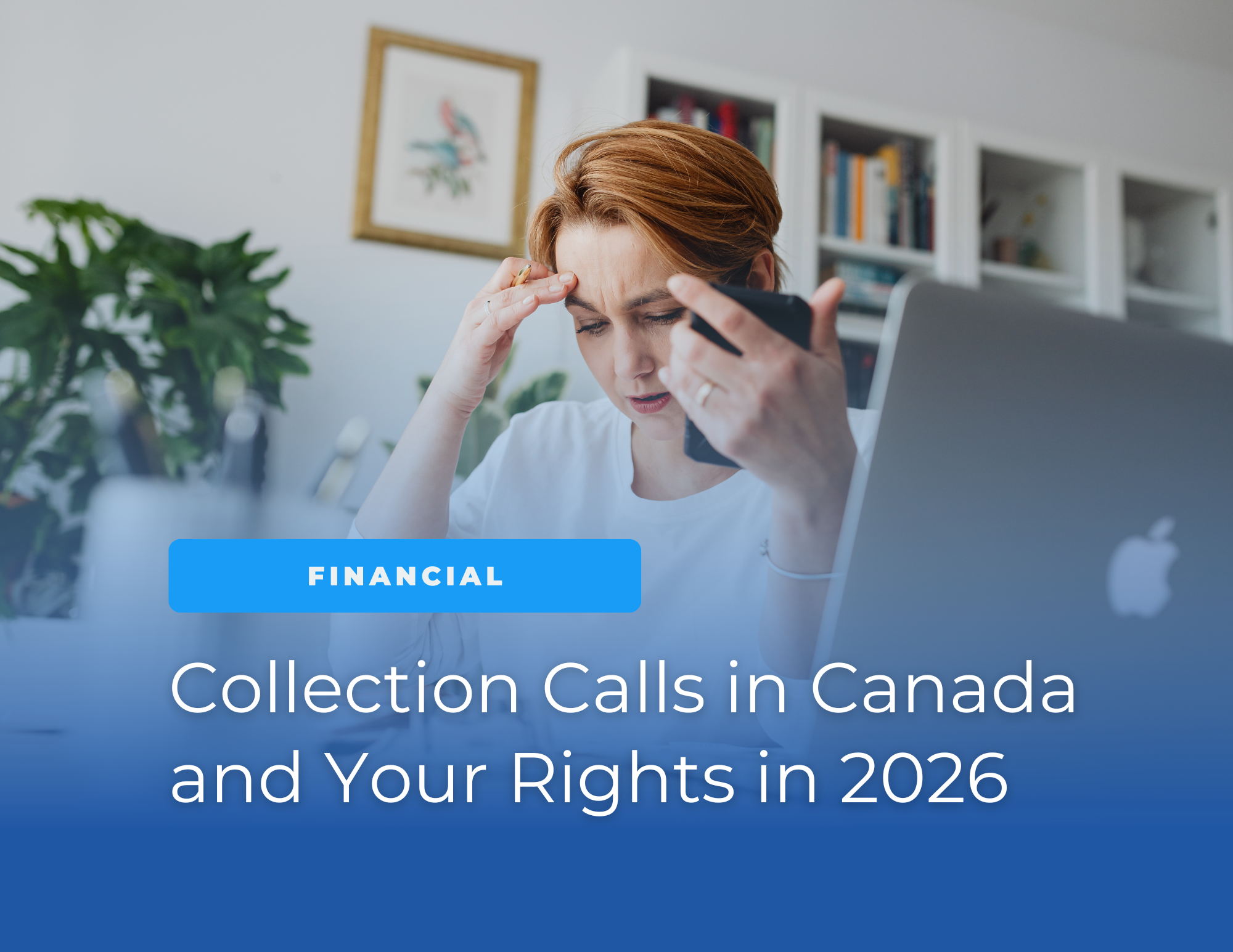
Every January, more people across Ontario find themselves dealing with collection calls and creditor pressure. Knowing your rights and what collectors can and cannot legally do is key to handling these calls calmly and confidently.
Understand Your Rights to Handle Collection Calls
If your phone has been ringing non-stop since the holidays, you’re not alone. Every January, more people across Ontario find themselves dealing with collection calls and creditor pressure. Knowing your rights and what collectors can and cannot legally do is key to handling these calls calmly and confidently.
At Litvack Group, we’re Licensed Insolvency Trustees in Ontario. We help people deal with serious debt and know how overwhelming these calls can feel. This guide explains how collection calls work in Canada in 2026, your legal rights, and what steps you can take to stop the calls legally.
Why Collection Calls Increase After the Holidays
January Overdue Accounts Trend
January is one of the busiest months for collection agencies. After a spike in holiday spending, many people fall behind on their credit card, loan, or utility payments. Even missing just one due date can trigger calls from creditors or collection companies.
Consumer Behaviour Data on Missed Payments
Data shows that payment delays tend to rise in January. People often overextend themselves in December and then face a financial pinch in the new year. These shortfalls lead to a sharp rise in collection activity, especially on credit cards and store accounts.
What Canadian Collectors Can and Cannot Legally Do
Federal and Provincial Rules
Debt collection in Canada is regulated by both federal and provincial laws, and Ontario has some of the strictest rules in place under the Collection and Debt Settlement Services Act.
Here’s what debt collectors can do legally:
- Contact you by phone, email, or mail
- Ask you to pay what you owe
- Call your workplace (with limits)
Here’s what debt collectors can’t do in Canada:
- Call before 7 a.m. or after 9 p.m., or on holidays
- Use threats or abusive language
- Talk to your employer, family, or friends unless they are a co-signer
- Pretend to be a government official or lawyer
- Add extra fees not included in your original agreement
You also have the right to ask them to stop calling in writing, and they must respect that in most cases.
Common Pressure Tactics Explained
Collectors may use phrases like “urgent matter” or suggest “legal action” to scare you. These tactics are meant to make you act quickly, but many are just designed to pressure, not backed by actual legal steps.
If you’re not sure whether a collector’s behaviour is legal, keep records and speak to a Licensed Insolvency Trustee or consumer protection agency.
How to Respond to Collection Calls Calmly
What to Say and What to Avoid
When you get a collection call, stay calm. Here’s what you can say:
- “Can you confirm who you’re collecting for?”
- “Can you send me the details of this debt in writing?”
- “I’m reviewing my finances and will follow up soon.”
Avoid admitting to the debt or making a payment plan on the spot unless you fully understand what you’re agreeing to. If you admit to the debt or make a partial payment, you may restart the clock on how long they can collect.
Documenting Collector Contact
Keep a log of every call, including:
- Date and time
- Name of the person calling
- What was said
- Any threats or unusual behaviour
You can also request that they only contact you in writing. Once you do this in writing (email or letter), they are legally required to stop calling in most cases.
When a Stay of Proceedings Can Stop Calls
What Legal Protection Looks Like
A stay of proceedings is a legal tool that immediately stops collection calls, wage garnishments, and legal actions. It comes into effect when you file a Consumer Proposal or Bankruptcy through a Licensed Insolvency Trustee.
Creditors must follow this stay. It is enforced by federal law under the Bankruptcy and Insolvency Act.
How a Licensed Insolvency Trustee Helps
Only a Licensed Insolvency Trustee (LIT) can legally file a consumer proposal or bankruptcy in Canada. At Litvack Group, we meet with you to understand your situation, explain every option, and handle all communication with creditors.
This means:
- Collection calls stop
- You gain breathing room
- Your rights are protected
- You start a clear path toward debt recovery
Most people are surprised to learn that bankruptcy** is not the only option**. A consumer proposal allows you to repay a portion of your debt over time with no added interest—and calls stop immediately once it’s filed.
Quick Consumer Protection FAQ
Can They Call My Workplace?
Yes, but only to confirm your employment. They cannot discuss your debt with your boss or coworkers unless you give written permission.
Can They Contact Relatives?
Collectors can’t contact your family unless they are a co-signer or guarantor on the debt. If they do, report them to Ontario’s consumer protection office.
How Long Can They Collect?
In Ontario, most debts have a two-year limit from the date of last activity. If you haven’t made a payment or acknowledged the debt in writing during that time, collectors may no longer be able to sue you. However, they may still contact you, unless you send a written request asking them to stop.
Final Thoughts: You Have Rights
Dealing with collection calls after the holidays is stressful, but you are not powerless. Knowing your legal rights is the first step to taking back control.
Whether you need help understanding your rights, managing debt, or stopping calls legally, The Litvack Group is here for you. As Licensed Insolvency Trustees in Ontario, we help you find the right debt solution for your situation, with clear guidance and zero judgment.
Need to stop collection calls in Canada legally?
Contact the Litvack Group for a free, confidential consultation. We’ll explain your options and help you stop the calls for good.
Visit Canada’s official debt help page to learn more.
Disclaimer:This blog is for informational purposes only and does not provide legal or financial advice. For personalized support, speak to a Licensed Insolvency Trustee.