Gambling Apps Are Fuelling Debt Increases Across Ontario
Online gambling has been growing at an alarming rate in Canada, especially with the legalization of sports betting and the availability of various gambling apps. These platforms have made gambling more accessible than ever before, causing an increase in gambling debt across Ontario.
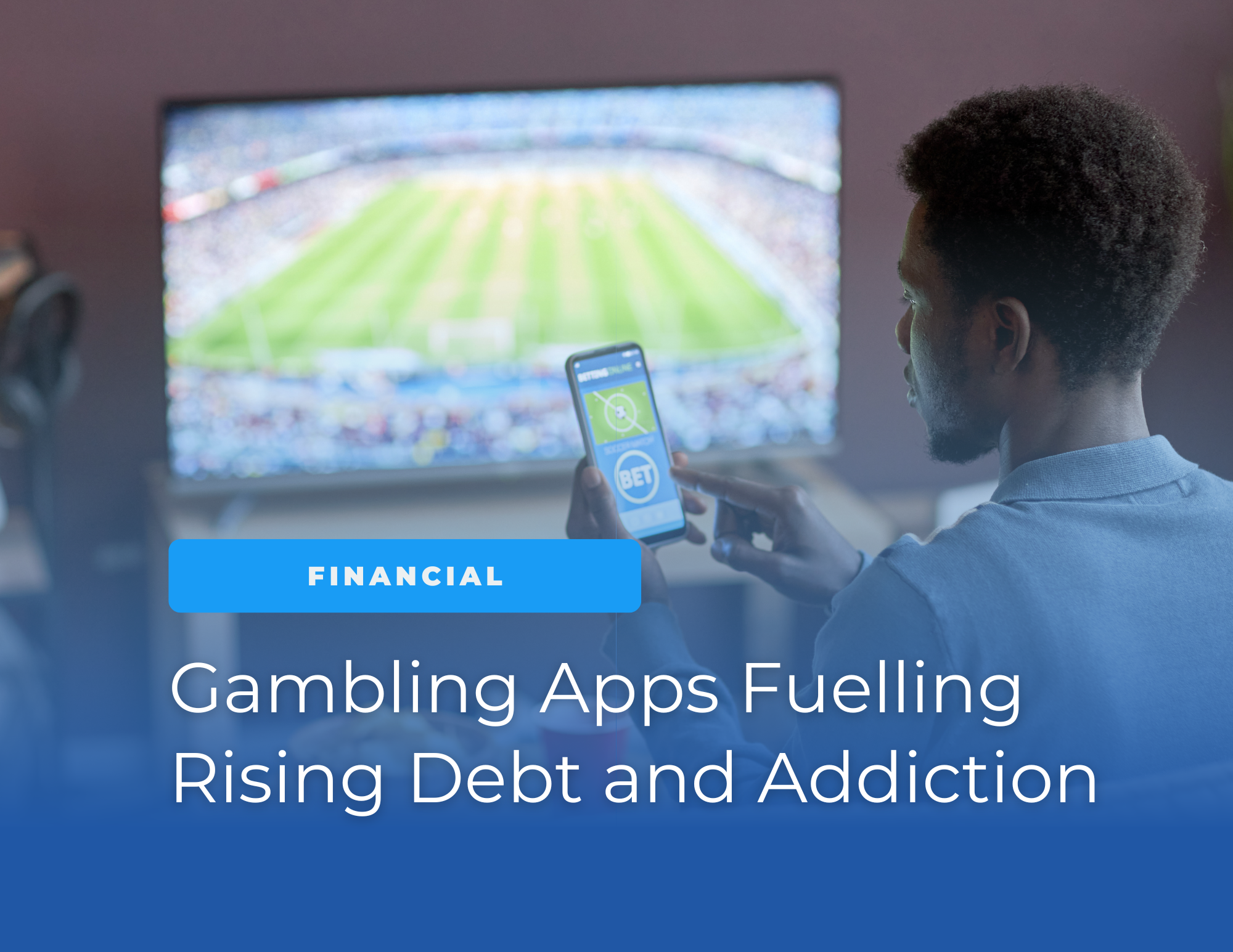
Gambling Apps Fuel Rising Debt and Addiction, Here’s How to Dig Out
In Canada, the rise of gambling apps has led to a concerning increase in gambling-related debt and addiction. These apps offer convenience and immediate access to sports betting, casinos, and even daily fantasy sports, making it easier for individuals to place bets and risk more money than they can afford. As a result, many Canadians are facing overwhelming debt due to compulsive gambling behaviour. In this article, we’ll dive deeper into how gambling apps are contributing to this issue, and what steps you can take to regain control over your finances and avoid falling deeper into debt.
The Growing Problem of Gambling Addiction in Canada
Online gambling has been growing at an alarming rate in Canada, especially with the legalization of sports betting and the availability of various gambling apps. These platforms have made gambling more accessible than ever before, allowing Canadians to place bets from the comfort of their homes or on-the-go via their smartphones. While this accessibility might seem convenient, it has introduced several risks, including addiction, significant debt accumulation, and emotional distress.
Gambling Addiction: More Than Just a Financial Issue
The psychological and emotional toll of gambling addiction is significant. Initially, many people start gambling for entertainment purposes. However, gambling can quickly turn into a compulsive behaviour, driven by the desire to win back losses or the thrill of making a big bet. For many, gambling becomes a way to cope with stress, anxiety, or boredom, leading to deeper engagement with gambling apps.
· Chasing Losses: One of the key issues with gambling is the chasing of losses. When individuals lose money, they often believe they can win it back by continuing to gamble. This behaviour can lead to even greater losses, creating a dangerous cycle of debt and emotional distress.
· Escapism and Isolation: Gambling often serves as a form of escapism. As individuals become more immersed in gambling, they may begin to isolate themselves from friends and family. This social isolation further deepens their emotional distress and reinforces the addictive behaviour.
Vulnerability of Younger Adults
Recent studies have shown that young adults, particularly men between the ages of 18 and 29, are at a higher risk of developing gambling problems due to the widespread use of gambling apps. Nearly one in three adults in this age group engage in online gambling, and they are far more likely to develop gambling disorders than those who gamble through traditional means.
Gambling apps also create constant exposure, making it easy to gamble at any time, whether walking down the street, sitting at home, or at work. The app’s accessibility means that individuals can place bets impulsively without thinking of the long-term consequences, leading to a rise in debt.
How Gambling Apps Contribute to Rising Debt
The increase in gambling-related debt has become a serious concern for many Canadians. Sports betting apps, casino platforms, and daily fantasy sports apps have made it much easier to gamble at any moment, and in doing so, gambling has become a routine part of daily life for many individuals. While gambling can sometimes be harmless, for many, it becomes a serious problem that leads to mounting debt.
1. Easier Access to Credit and Funds
Gambling apps often allow users to use their credit cards or even take out loans to fund their bets. This makes it much easier to gamble money that you don’t have. Some apps also offer instant deposits, allowing users to immediately start betting, which can lead to overspending without fully realizing the financial consequences.
For many individuals, credit cards are the primary means of funding their gambling habits, which leads to high-interest debt. This creates a vicious cycle where gambling losses are compounded by the interest charges on credit card balances, making it harder to pay down debt.
2. Rapid Accumulation of Debt
The speed at which gambling debts can accumulate is a key concern. In contrast to other types of debt, gambling debt can escalate quickly. It’s not uncommon for individuals to rack up thousands of dollars in a matter of days or weeks if they get caught in the cycle of gambling.
Debt from gambling also often involves cash advances from credit cards or taking out personal loans to cover losses, which can result in high interest rates that make it even harder to pay off the debt. The emotional toll of losing money while also dealing with high-interest debt can lead to feelings of helplessness and desperation.
3. Secrecy and Denial
For many individuals struggling with gambling addiction, there is often a level of denial or secrecy surrounding their financial situation. Many people hide their gambling losses from their families, partners, or friends, fearing judgment or embarrassment. This secrecy only makes the situation worse because it prevents individuals from getting the support they need to address both the addiction and the financial troubles it causes.
Some gamblers will even go to great lengths to hide the extent of their losses, leading to a breakdown in trust and relationships, which can compound the emotional distress.
The Psychological and Emotional Impact of Gambling Addiction
While the financial ramifications of gambling addiction are severe, it’s important to understand the psychological and emotional impacts as well. Gambling addiction often leads to anxiety, depression, and feelings of isolation. As people become more consumed by their gambling habits, they may struggle to function normally in daily life, leading to a diminished quality of life.
1. Chasing the “High”
Gambling apps are designed to be addictive by providing a sense of excitement and pleasure through constant wins, losses, and the thrill of betting. However, as individuals continue to gamble, the thrill of winning fades, and the negative consequences of losing become harder to ignore. The more someone gambles, the less they experience the pleasure they once felt, and the behaviour becomes more compulsive.
2. The Financial Burden
The emotional distress of gambling addiction often stems from the financial burden it places on individuals. As debts rise, individuals may feel overwhelmed, leading to increased anxiety or depression. Many people experience guilt and shame about their gambling behavior, but they may continue to gamble as a way to escape these negative emotions.
How to Regain Financial Control After Gambling Losses
If you find yourself dealing with gambling-related debt, the road to recovery can be challenging, but there are steps you can take to regain control of your finances and stop the cycle of addiction.
1. Acknowledge the Problem and Seek Help
The first and most important step is to acknowledge that gambling has become a problem. Denial only prolongs the issue. After recognizing the issue, the next step is to seek professional help. Contact a gambling support hotline or a counsellor who specializes in addiction. Talking to someone about your struggles can be a critical first step in breaking the cycle of addiction.
2. Stop Gambling and Self-Exclude
Many gambling platforms offer a self-exclusion option that allows you to block your account or restrict access for a set period. Taking advantage of this feature is an essential step in preventing further gambling. In addition, asking gambling sites to block your access can help you break the habit and create a safe distance from the temptation.
3. Explore Debt Relief Options
If gambling debts have spiraled out of control, it may be time to consult a Licensed Insolvency Trustee to explore formal debt relief options. One of the most common solutions for dealing with gambling-related debt is a consumer proposal. A consumer proposal allows you to negotiate with creditors to pay back a portion of your debt, usually over a period of 3 to 5 years.
In some cases, bankruptcy may also be an option, though it can have a more significant impact on your credit. Bankruptcy discharges most debts but is a last resort due to its long-term effects on your financial future.
4. Address the Root Cause with Counselling
The emotional aspect of gambling addiction should not be overlooked. Counselling or therapy can help you understand why you turn to gambling as an escape and address any underlying emotional or psychological triggers. By tackling the root cause of your addiction, you can prevent relapsing into old habits.
Preventing Gambling Debt in the Future
Once you’ve addressed your gambling-related debt, it’s important to take proactive steps to ensure that you don’t fall into the same pattern again.
1. Create a Financial Plan
A budget is crucial in maintaining control of your finances. Track your spending and set clear goals for paying off debt. By living within your means, you can ensure that you don’t rely on credit cards or loans to cover gambling losses.
2. Build an Emergency Fund
Building an emergency fund can prevent you from falling back into debt when unexpected expenses arise. Having savings to rely on can help reduce the temptation to gamble for quick financial relief.
3. Set Limits on Gambling
If you choose to gamble occasionally, it’s important to set strict limits on the amount of money you’re willing to risk. Treat gambling as a form of entertainment and ensure it doesn’t interfere with your financial stability.
Conclusion
Gambling apps are increasingly fueling rising debt and addiction across Canada, particularly among younger adults. With the accessibility of gambling at your fingertips, it’s easy to see how debt can quickly spiral out of control. However, there is hope. By acknowledging the issue, seeking professional help, and exploring debt relief options such as a consumer proposal, you can begin to regain financial control and break free from the cycle of gambling addiction.
Need Help? Contact Us
If you’re struggling with gambling-related debt, we are here to help. Our team of Licensed Insolvency Trustees is committed to guiding you through the process of filing a consumer proposal, exploring other debt relief options, and providing the support you need to rebuild your financial future. Submit our assessment to take the first step towards a debt-free life.
Disclaimer:
This article is intended for informational purposes only and does not constitute legal or financial advice. For personalized assistance, contact a Licensed Insolvency Trustee in your area.